It seems appropriate once again to reminisce about being on the other side of the world when right now, you can’t do much more than go to the other side of your bedroom. So, I thought it appropriate to provide a wee run-down of a few personal experiences and maybe bust a few myths about travelling halfway across the world to Japan, via Singapore.
The practical things to note:
- Japan is still pretty cash-dependent, with the exception of the various smart-cards available for travel/vending machines/convenience stores. There will be a regional version available from your starting point, but it will work anywhere in the country. Otherwise, use cash.
- Dress appropriately for the weather, and insects! Carry insect spray, particularly in the warm months, and keep yourself covered where you can.
- A SIM-card is pretty essential if you want to travel independently. The Japan Rail Pass website will sell you one, and all you have to do on arrival is stick it in your phone. It’s only good for three weeks, but it’s unlimited data (data only!) otherwise.
- Download the HYPERDIA app before you begin any travels by train, particularly if you have a Japan Rail Pass, as your pass will not be valid on private railways, and Nozomi Shinkansen services.
The distance
So, I flew with Singapore Airlines, naturally, via Singapore. I think I just knew myself that flying on the same plane all the way to Osaka/Tokyo would have been a bit of a stretch all in one go, so I decided to pick one of the “flagship” carriers to take me. That was either Emirates via Dubai, or Singapore Airlines. The latter ended up working out better and being a wee bit cheaper, at £697 return by the time I added on seat selection. For around 40 hours in the air, it seemed pretty decent value.
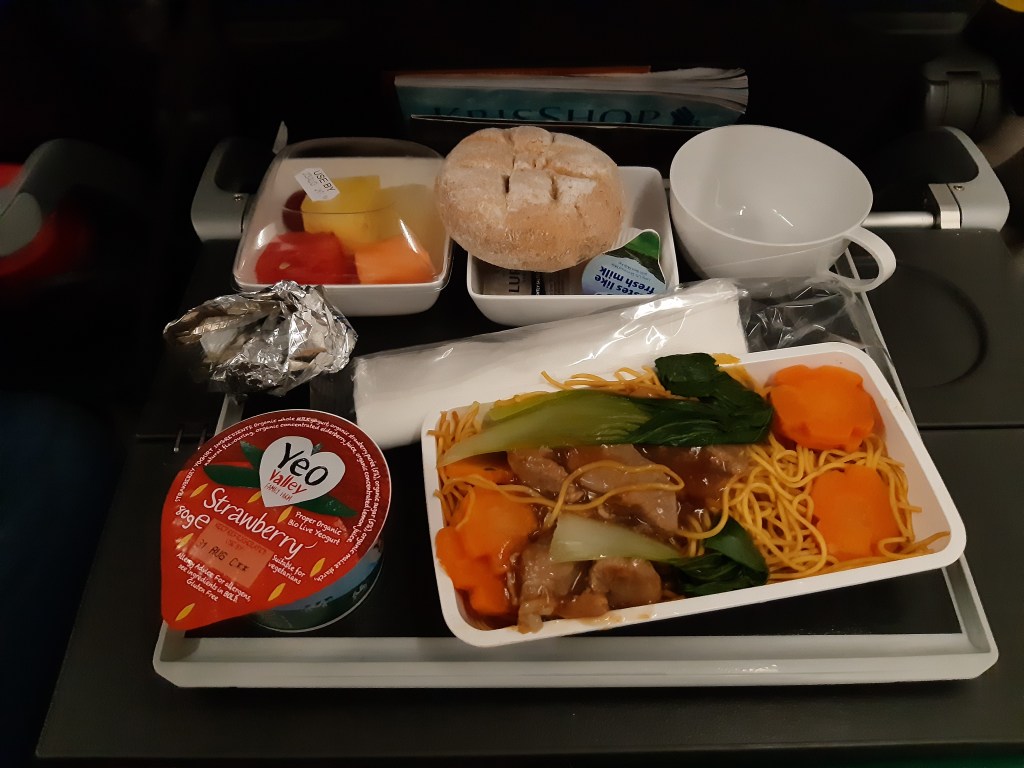
I won’t lie though, even the 13hr 15min flight from London to Singapore alone is quite a marathon. Granted, flying long haul is not the same as taking easyJet to Amsterdam, and a Singapore A380 is full of creature comforts, along with pretty much on-demand drinks and snacks to go with the multiple hot meals you’re served on proper crockery (all of which were absolutely delicious), as well as a bag of in-flight entertainment, but it’s still trashing. On the outward leg, I had the classic nightmare of crying child. Not just crying, but full on screaming and climbing all over my seat, kicking it, the works, for 13 fucking hours. The 6hr 45 flight to Osaka, by comparison, next to a very sleepy businessman, was pretty much bliss. That said, when I arrived in Osaka-Kansai, at 16:00 on day 2 (having departed 11:20 day 1), I was utterly wrecked. I headed straight to bed and slept for 14 hours solid. So, my first piece of advice is to not really plan to do anything the day after arriving. I personally ended up having a wander along to Kobe the next day, and going up the Skytree in Osaka, but it took until day 5 before I contemplated doing anything over large distances.
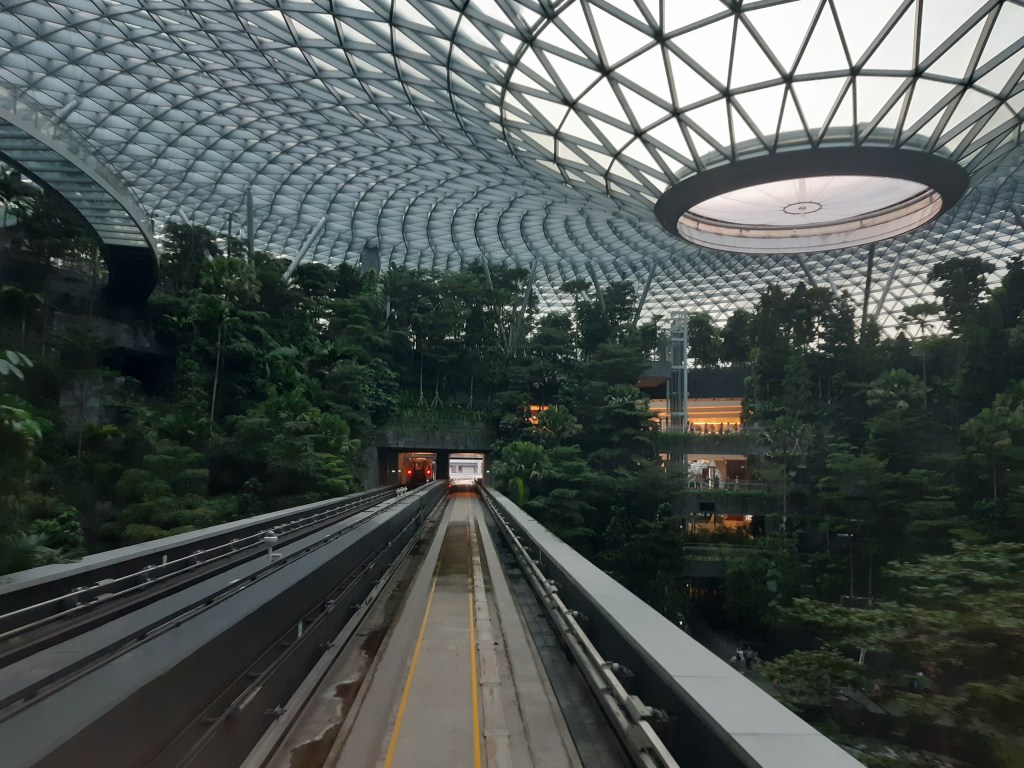
Returning though, was a different story. I was treated to a pretty much brand new Boeing 787 Dreamliner back to Osaka, which was a flight that left at 11pm and travelled overnight to Singapore, was served a beer to knock me out to sleep, and was left with a few hours to explore Changi Airport. It’s pretty insane. There’s fish ponds, butterfly gardens, sunflower gardens, and wee transit trains between the terminals so you can just hop on and off as you please rather than walking everywhere. I bought myself a pretty bottle of Absolut Singapore from a rather grumpy Auntie at duty-free for about £16, too, who nearly threw it on the floor when I put it down on the counter before showing my boarding pass.
It’s the people that make the flight too, and I knew I was on for a fun one when it turned out that my flight to Heathrow connected from a bunch of Australian arrivals. And so, I had Frank, a plucky 70-something, from Canberra, sat next to me. He was off to visit a friend in Cambridge “for a couple days” which is certainly the level of spontaneous I aspire to be when I’m his age. We managed to eat and drink away the 14 hour flight, while discussing all matters of the world, and I thought I was saying farewell to him when I hopped off at the other end. That was, until I saw him looking lost walking away from the bus station. I ended up accompanying him to his coach, and was told that if I ever visited Canberra then he’d show me around. Beats getting your seat kicked.
The weather
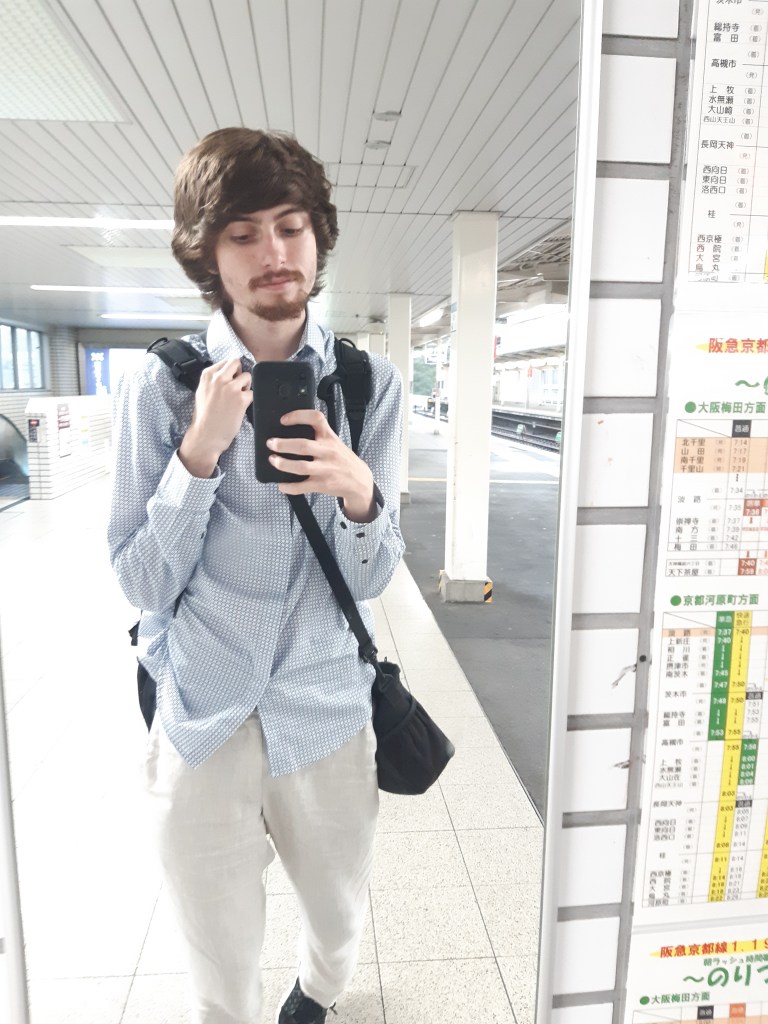
So, I visited Japan in August, which is the equivalent to someone having left the shower running in the entire country to the extent that your hands wrinkle up. My body did NOT enjoy the first couple of days, and I ended up having to take things very slowly indeed. Do not underestimate how strong the humidity is, and keep bloody hydrated. I usually adore the summer, and just a week prior, had been merrily wandering around Lake Balaton in 35 degree sunshine, but this just hits different. You’ll soon grow to learn to flock to wherever the air-conditioning, or the shade, is. That’ll either be because the sun is beating down, or because there’s been a sudden downpour! It was rather wet on a lot of my trips, to the extent that I had to abandon a trip to “Rabbit Island” (Ōkunoshima) due to a pretty violent storm. The day after I left the country too, a typhoon hit Tokyo Bay, which is where I’d been staying as my trip was wound up. In essence, try to avoid July/August if you can, but also accept that the weather can be wild, won’t be as predictable as in Europe, but that you can work around it just fine. Also, dress appropriately! That means loose clothes that keep you well covered from insects. I looked like a dad on tour in my cloth pants and striped shirts, but I stayed reasonably cool and didn’t get a single mosquito bite.
The vending machines
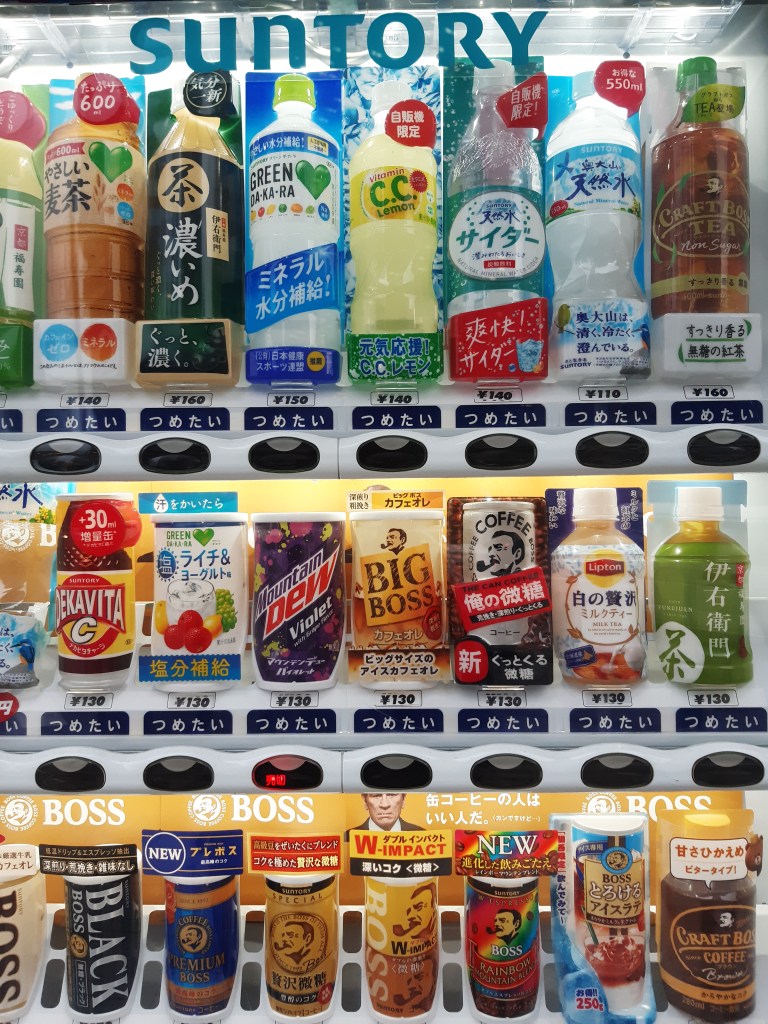
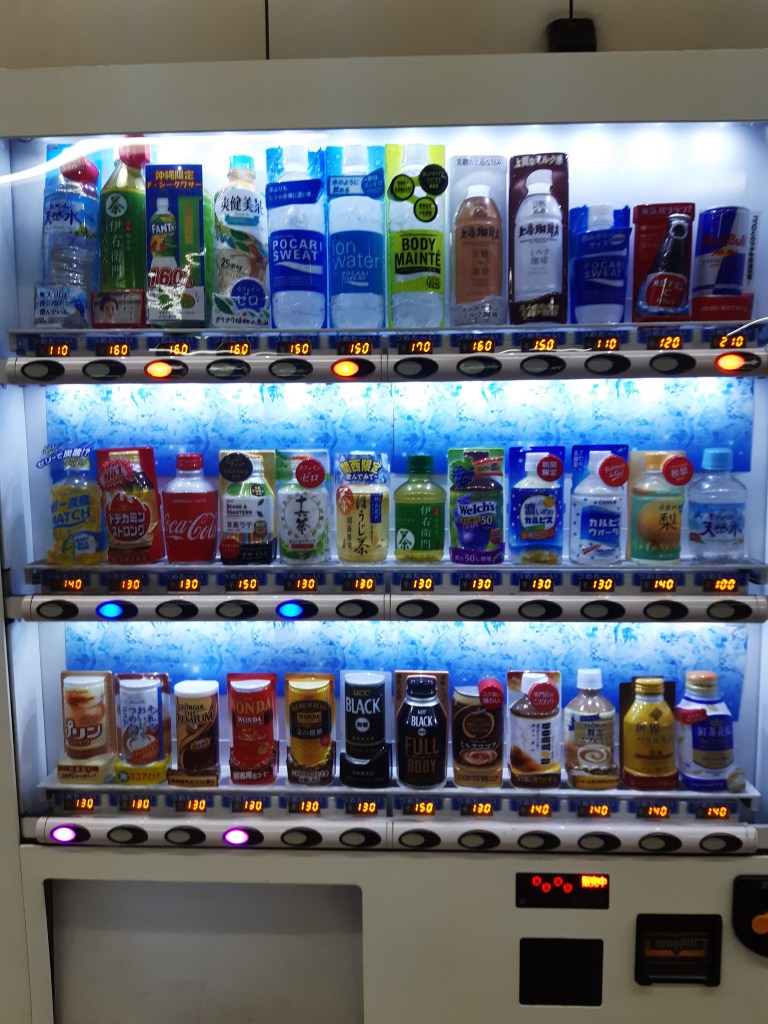
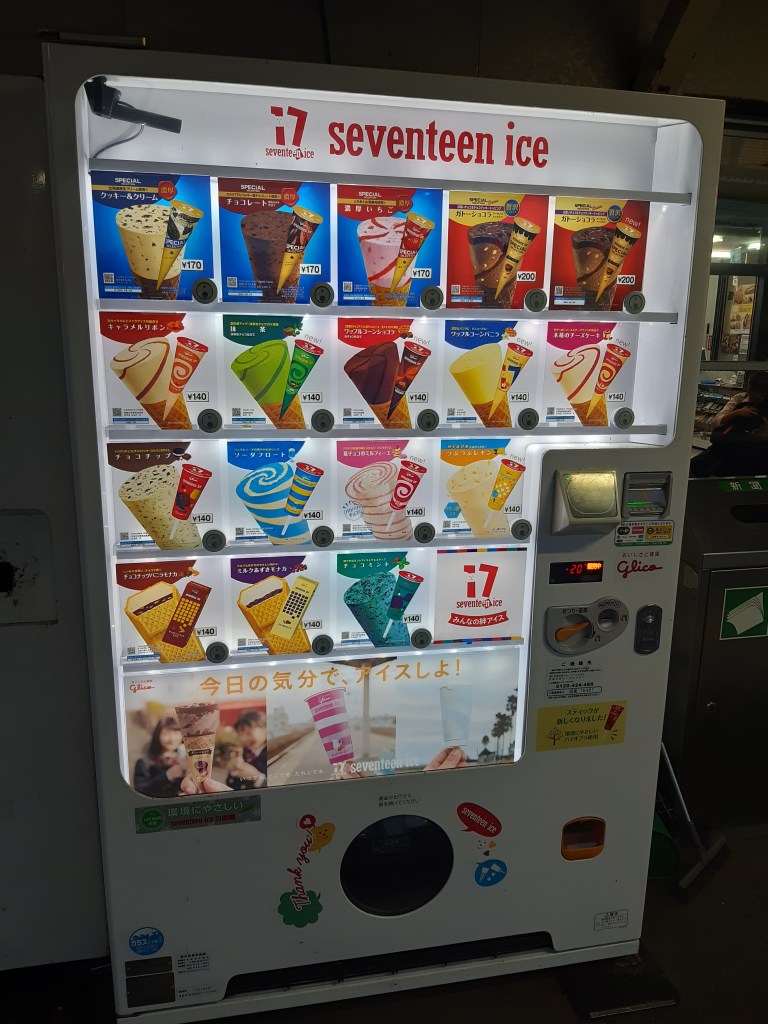
You see it on Buzzfeed articles all the time. “50 CRAZY vending machines you’ll only see in Japan!!”. Yeah, nah. That’s not really how it works in real life. Those “crazy” vending machines exist, but they aren’t on every street corner. What is on every street corner is at least one drinks machine, though. They’re reasonably cheap, have all sorts of “interesting” cold beverages, and in the heat, you’ll be damned glad of them too. Yeah, go into the more quirky parts of Shinjuku, and you’ll probably find a couple of weird ones, but the Japanese use these things to be functional, not to be quirky. What you’ll find too, is that many museums, etc, just have a bank of machines to buy tickets from, rather than going to a person. In essence, yeah, if you REALLY go out of your way to find all the wacky vending machines, they’re there, but otherwise, spend 140 yen on “yoghurt water”, neck it, and move on with your day. Oh, and the ice cream machines, where you can find them, are brilliant.
The food and drink
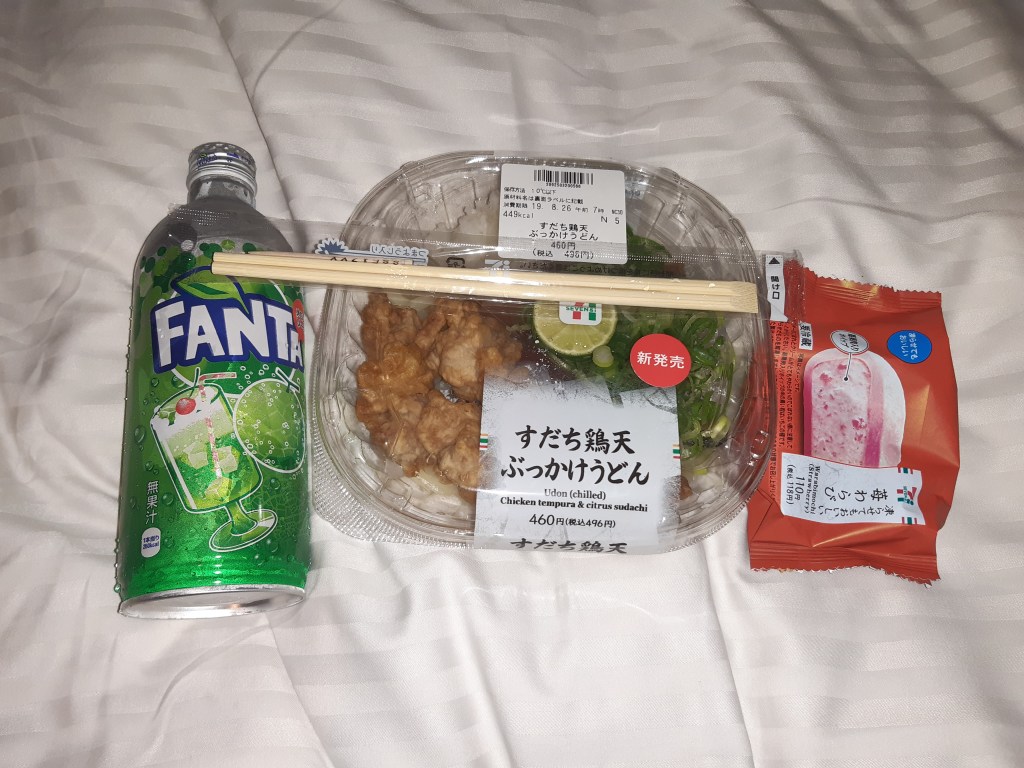
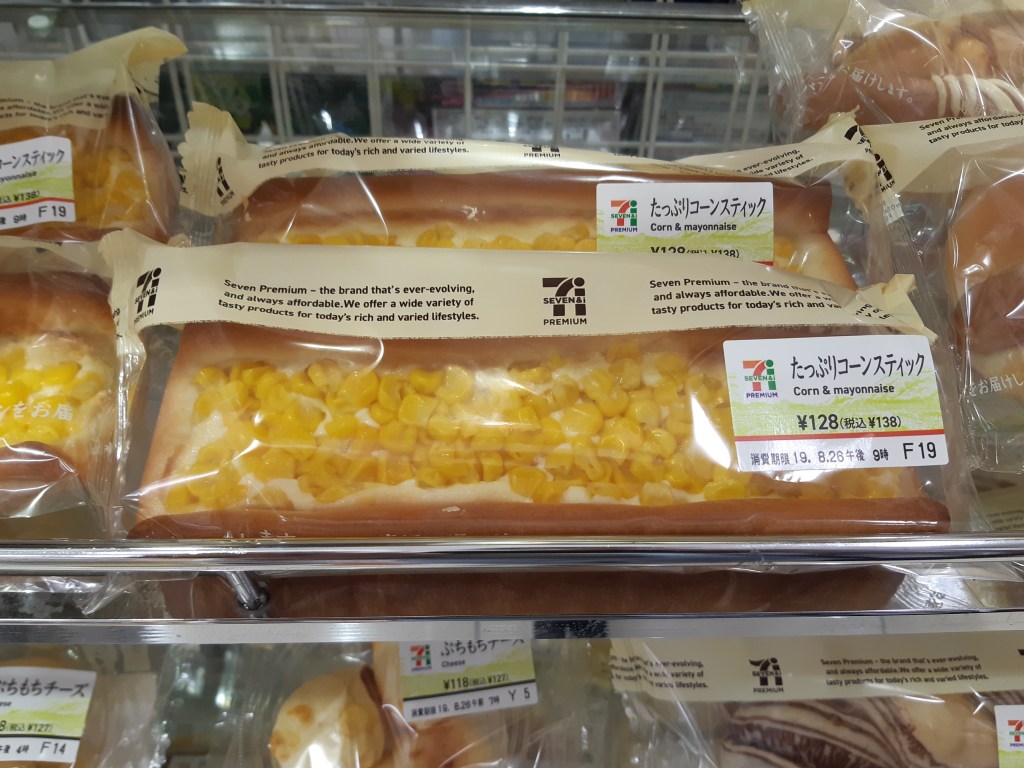
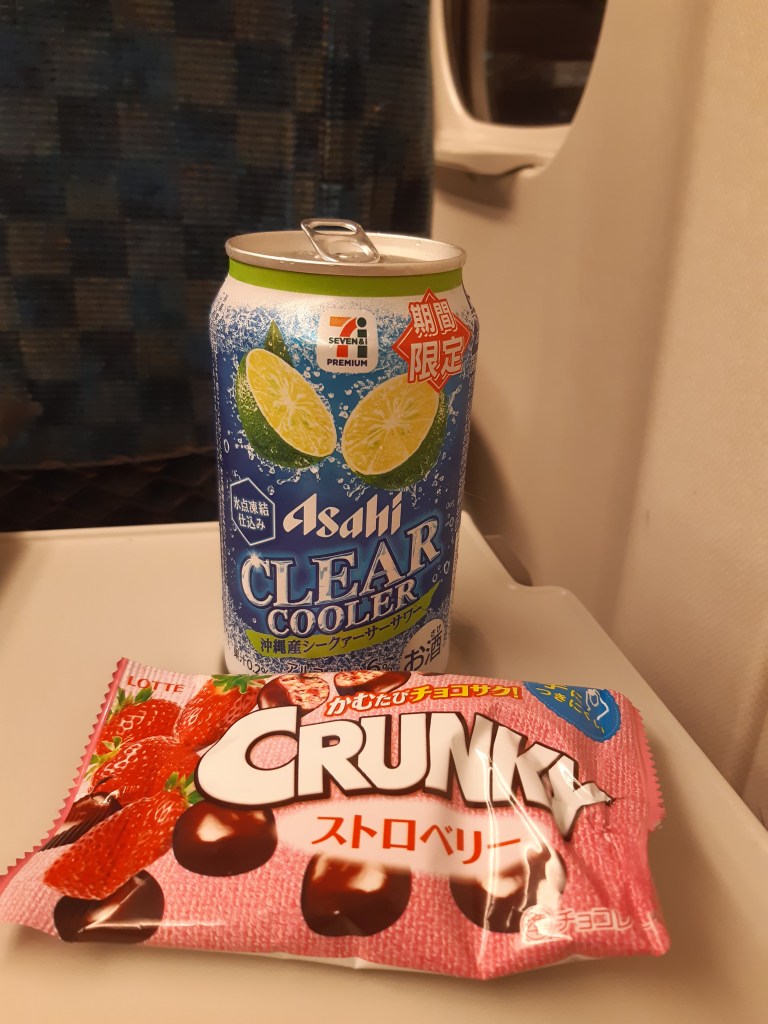
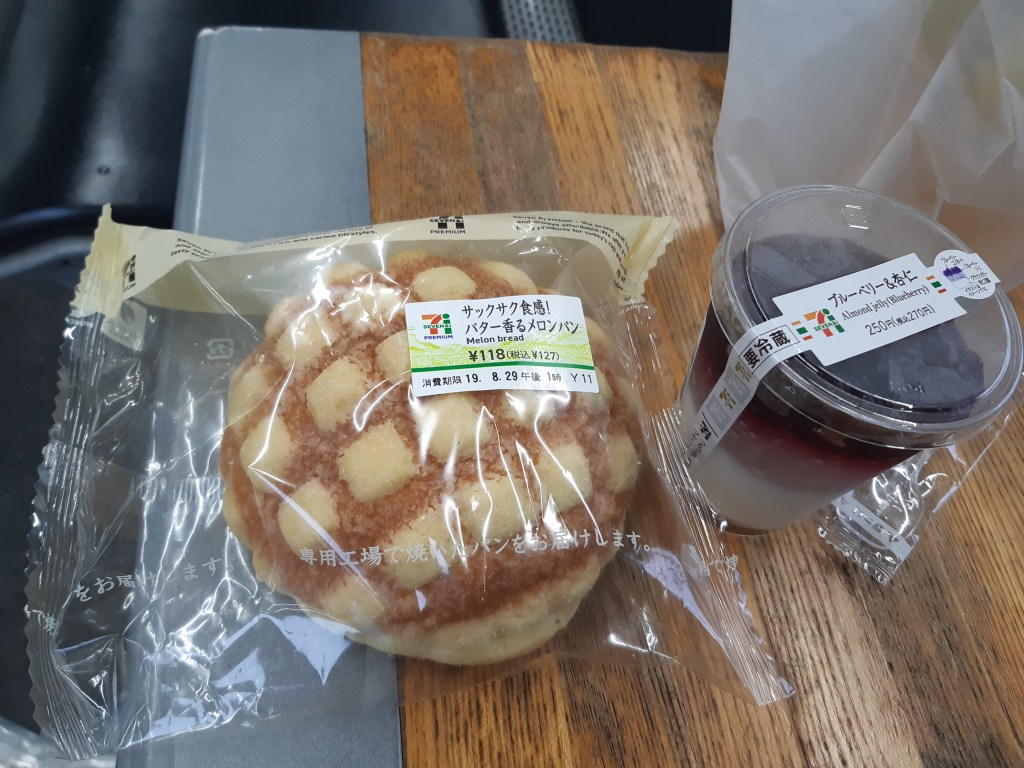
The only restaurant I went into was in Osaka Airport. So, how did I feed myself? Convenience Stores, or “Konbinis”. 7/11, Family Mart, and Lawson pretty much fed me the entire trip, and that’s because (almost) everything they sell is bloody delicious, and not horribly expensive: I would usually be able to get a main, drink and snack for about £6. So what’s on offer? Usually, it’s a selection of noodle and rice dishes, along with a nice selection of filled mochi, crisps, sweets, and your usual snacks. There’s also plenty to fill you up at breakfast, with pastries, jellies, fruit and juices, along with maybe a couple of strange additions, including a baguette sliced up with mayo and sweetcorn in. It almost seems like a parody of western food, but hey, who am I to judge people’s tastes? One thing too, which will seem strange to Europeans, is that everything comes with a plastic bag. Always. It seems wasteful, but that’s how it is.
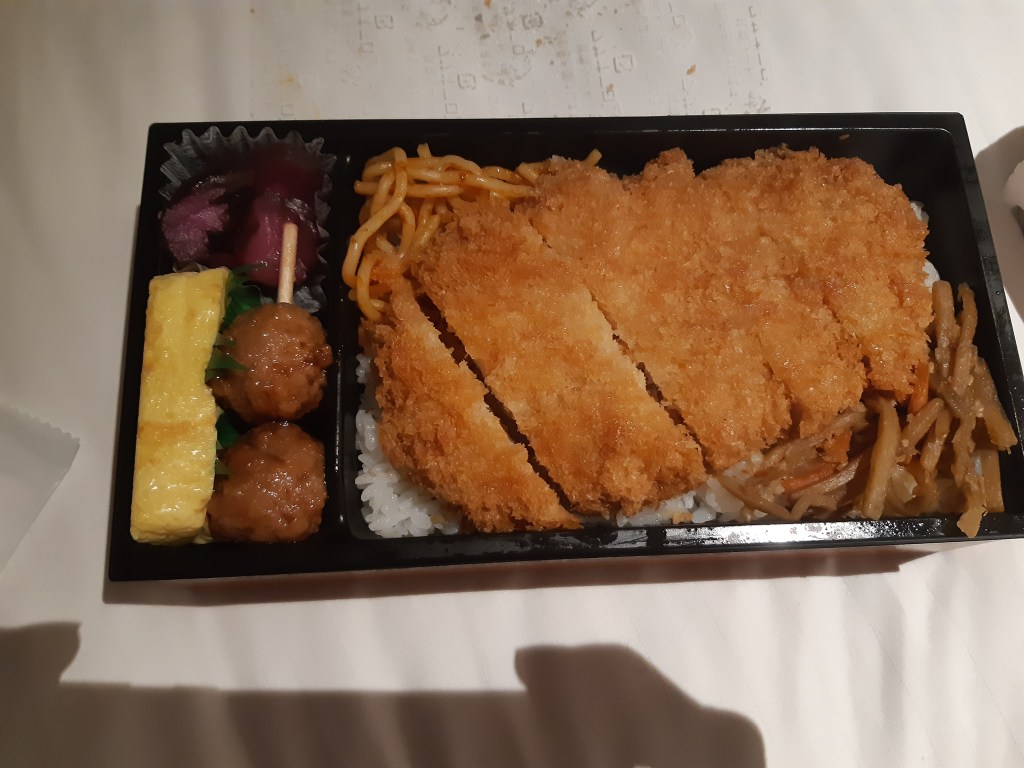
If you’re feeling a bit more adventurous but still not up to eating at a restaurant, pick up an Eki-Ben. These boxes, available at stations, are often unique to their home station, and will provide a feast of usually meat, rice or noodles, and some sides. They can be pricier, around £8 upwards, but they don’t disappoint and they’re a slightly “safer” introduction to some more “authentic” Japanese food.
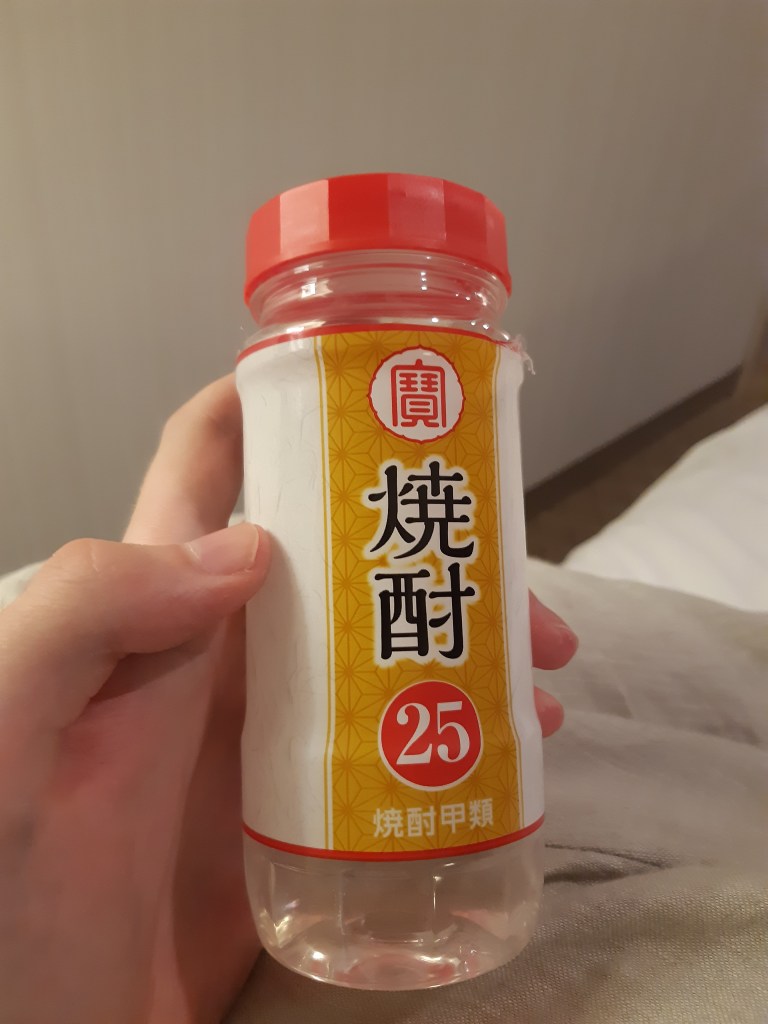
Alcohol from convenience stores is plentiful, fairly cheap, and quite strong at times! A can of beer will set you back about £1.50, going up to about £2.50 if you want a proper 500ml can. Go wild, really, is all I can say, as the Japanese love a drink. That said, they don’t love getting absolutely hammered and staggering around being a nuisance, so don’t have more than you can realistically handle. Even I had to watch myself, as having ended up doing 180mph reclined almost fully back, swigging back Asahi, I arrived in Kyoto and realised that walking in a straight line was a bit more of a challenge than I expected. Finally, please don’t buy the cheap Sake. It tastes like white spirit mixed with vinegar. Proper Sake should have a pretty delicate flavour and doesn’t completely wreck the inside of your throat! You can easily buy a small bottle of decent Sake for a few hundred yen from a 7/11, and you’ll actually enjoy drinking it too.
Politeness/Respect/Culture
There is the stereotype that Japanese people bow at everything, are very reserved, and work 25 hours a day. Or, on the contrary, that they all obsess over tentacle porn. Neither is particularly true, even though the vast majority are very accommodating, and yes, some parts of Tokyo feel a little bit unusual to a westerner. The truth is though, it’s pretty easy to slot into Japanese culture day-to-day. Don’t talk on your mobile phone in the train, don’t be loud, don’t make a fool of yourself, basically. Yes, it takes some getting used to being bowed at for being a can of beer at 7/11, but see it as a “thank you”, or a substitute for the small talk you might make with the cashier at home.
In general, people will do their best to help you. A folder I had with travel documents in split open while I was walking through Hiroshima, and a woman pretty much darted over and had me on my way, everything in my hands, within about 30 seconds. In hotels, I found that in all but one, staff were absolutely impeccable, but also thrived on feedback. If you think they’re doing a brilliant job, tell them and say thank you! You’re still dealing with human beings, not your personal servants.
Undeniably though, there is a very demanding work culture in Japan, and it will show. I would catch a train at 5am and it would be packed full of salary-men falling asleep standing up. I’d return at 10pm and it would again, be packed full of the same people, who’d either had a long day or had been drinking with colleagues, only to do the same again the next morning. It’s just another reason to be considerate when travelling, as this is when folk will be having much needed naps!
The…er, busy nature of things
It can be chaotic travelling in the cities. Those videos you see of people getting squeezed into rush hour trains are, to an extent, accurate. Things have changed since they were filmed, but for example, travelling on the Yamanote Line in Tokyo (the loop line which connects Tokyo Station, Shinjuku, Harajuku and Shibuya) between around 15:00 and 22:00 is a guarantee for minimal personal space. When you need to get off, don’t be afraid to be assertive and force your way off. People will move, and will do exactly the same themselves. Similarly though, move down the carriage!
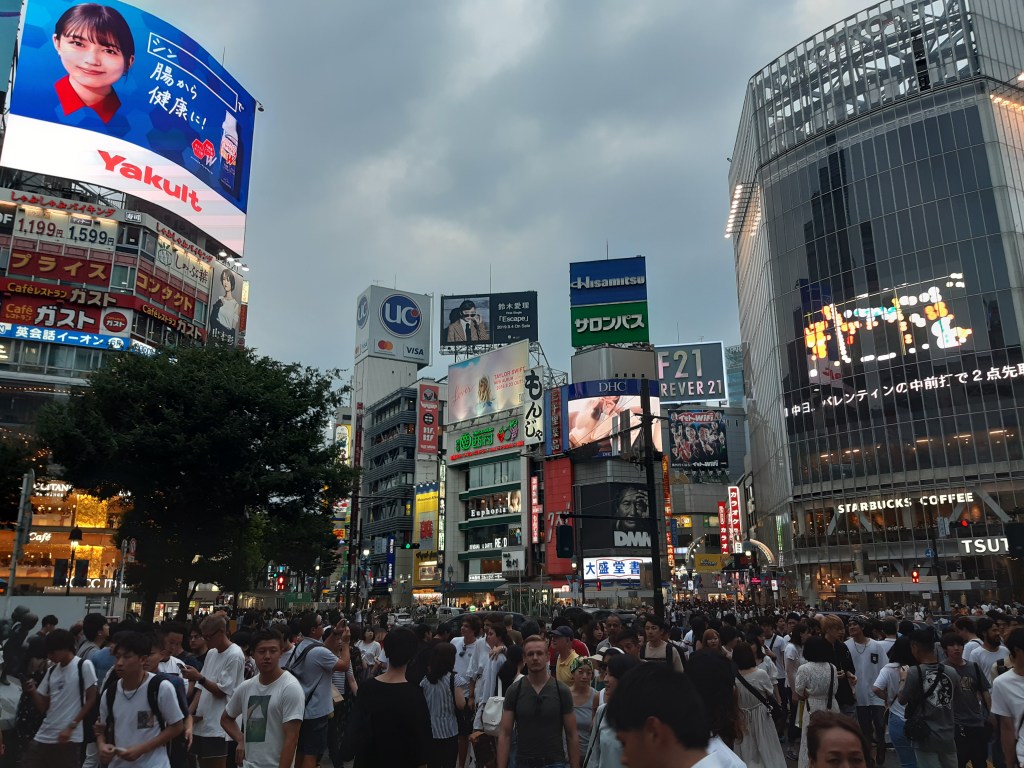
Tokyo itself can be overwhelmingly busy too, particularly around Shibuya, home to the famous crossing. Don’t be a prat and stop/take photos in the middle or anywhere that people are trying to pass, as people will resent you, and that includes me. I lost count of the number of times I had to resist elbowing tourists who thought that the middle of the busiest pedestrian crossing in the world was a great place for a selfie! Keep moving, and move aside if you want a picture of anything. But, try not to be too overwhelmed by it all, as Tokyo is a well-oiled machine that just keeps moving. Keep moving too, and you’ll be fine!
The language barrier
I embarked on this trip speaking little Japanese, and left speaking little Japanese. Was it difficult? Rarely. Other than missing having proper conversations with everyone, actually getting around Japan, even completely off the beaten track, in small towns in the mountains, was pretty easy. That’s because Google Maps exists, and also because place names/station names/signs usually at least have a Latin version written down. Most trains will speak English (at least on JR) and other than on tiny private railways, station signs will be written in English.
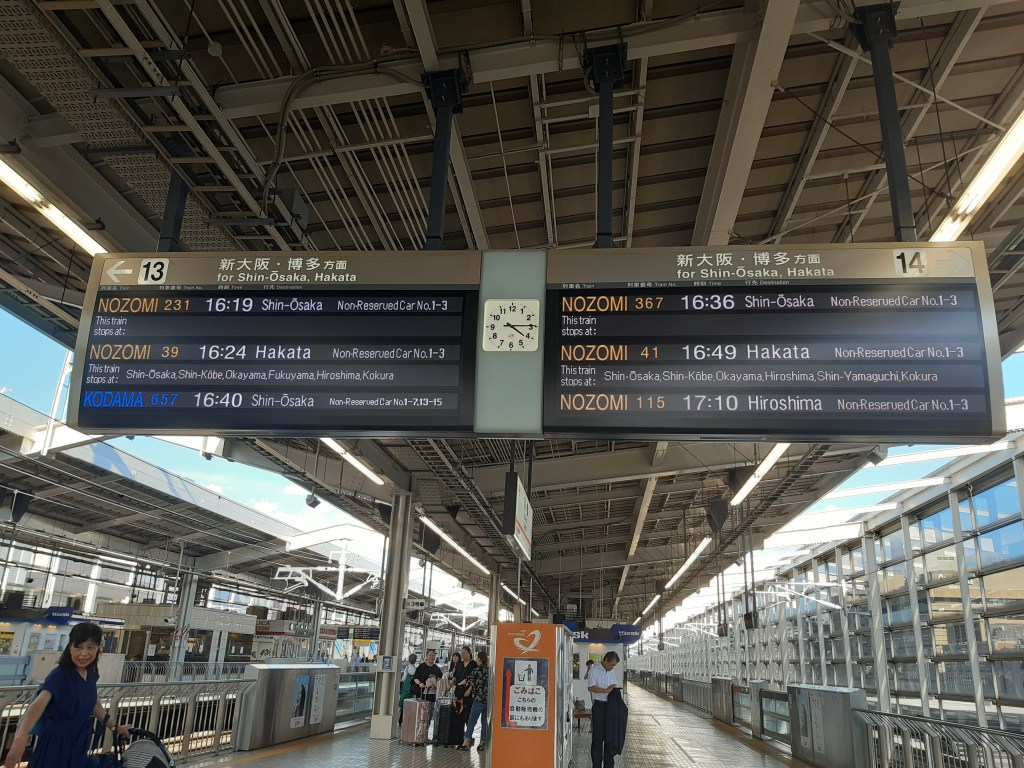
All other things aside, locals will not expect you to know Japanese, though obviously speaking a little will get you a long way. The only thing you could possibly do wrong here is expect people to know English, or speak loudly asking if somebody knows English, or anything else that’s just generally rude. Particularly in the run up to the now 2021 Tokyo Olympics, people will often try to practise their English, as I regularly found on the railways. Notably, never was I turned away or refused help if I genuinely needed it, purely based on language.
The railways
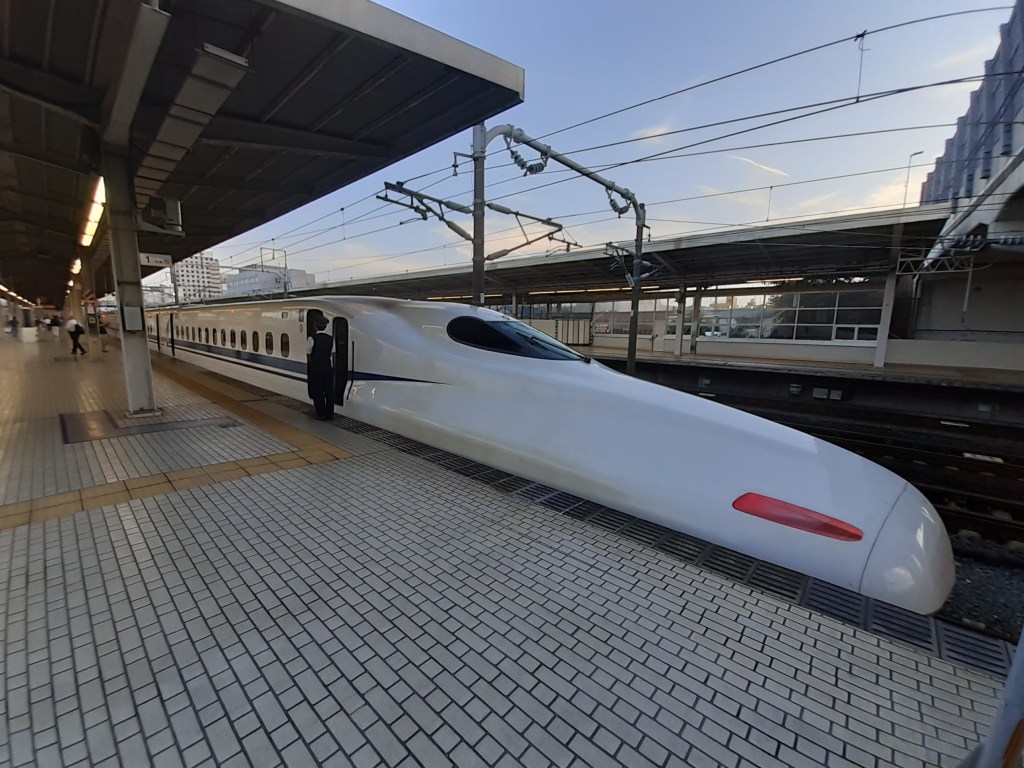
Are they like everyone says? Punctual, amazing staff, the best in the world? Almost. It’s certainly an incredible system, and a pleasure to use, but unfortunately not invincible. The biggest causes of disruption on the network are the weather, and “human accidents”, i.e fatalities. The latter is unfortunately quite common, and a reminder of how Japan has one of the highest rates of male suicide in the world. That side, disruptions are usually cleared quickly, and within an hour.
Also, get a Japan Rail Pass. It’s £400ish for a fortnight, versus £98 for a single fare between Osaka and Tokyo. It’s a no-brainer if you want to explore multiple cities.
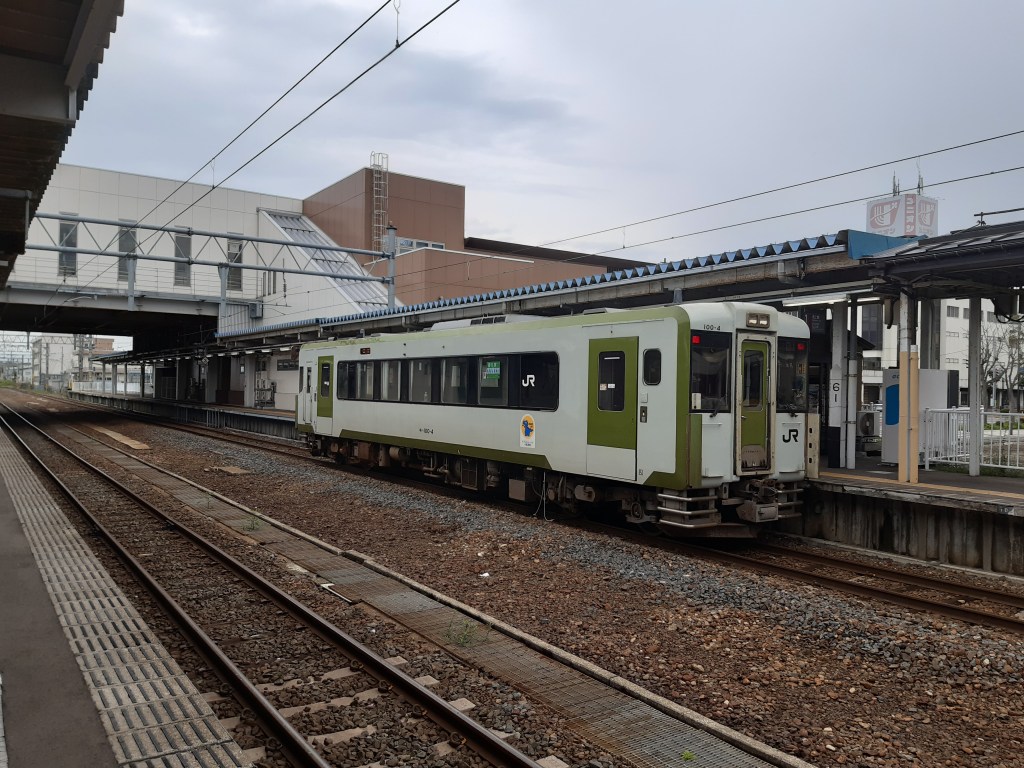
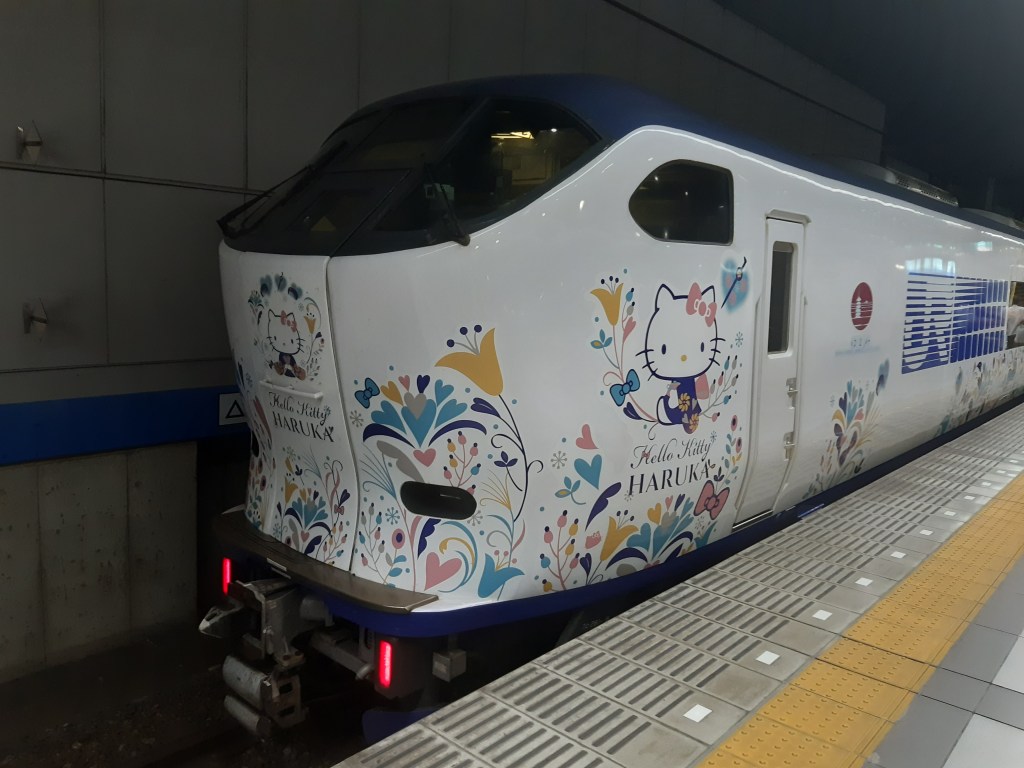
However, while the Shinkansen is very fast indeed, that’s not how the rest of Japanese Railways work. They’re often clean, but not necessarily the most comfortable or quick in the provinces. Granted, it’s a great way to see authentic rural Japan, particularly on the “Wanman” (Driver only) trains, but not a great way to get anywhere quickly.
Travelling by train in Japan is easy, though the big stations like Tokyo and Kyoto can be overwhelming. Private railways and the Shinkansen have their own gateline, and sometimes transferring can take time purely because of the massive distance between platforms. That said, trains in the cities are frequent, so you won’t struggle. Just remember to queue to board, often marked by a different shape depending on the type of train. It ensures that everyone can get on and off as quickly as possible.
If you need a reservation (particularly on the Hayabusa Shinkansen to Hokkaido, or on Limited-Express services), just go to the ticket office. Most staff will speak English, but I found it polite, and easier, to just hand them my phone with the train number, date, and journey written in Japanese. It gets things done a heck of a lot faster!
All in all though, the Japanese love their trains. The museums are plentiful, constantly busy, and there’s always photographers of all ages out and about. A love for the railway is clearly ingrained at an early age, and while to people in the west this may seem a little strange, where being interested in the railway is seen as more “weird”, it’s part of the culture of respect. You respect the railway, pay your fare, don’t mess around with it, and it respects you back.
Being so far from home
I can’t lie though, particularly when travelling alone, it can get incredibly lonely. You have an eight hour time difference, meaning that you’re completely out of sync with everyone else. Your daytime is everyone else’s middle of the night, so you need to learn to enjoy your own company, or time things appropriately for talking to folk back home!
I personally ended up syncing my day with the sunrise/sunset, which meant being out at about 5:30am (my record was about 4:30am) and back by 8pm (often beyond 11pm!) to chat with folk in the morning as I was getting underway. Don’t underestimate your need for a chat though, as I found out when I talked the head off the lovely Frank on the flight back from Singapore!
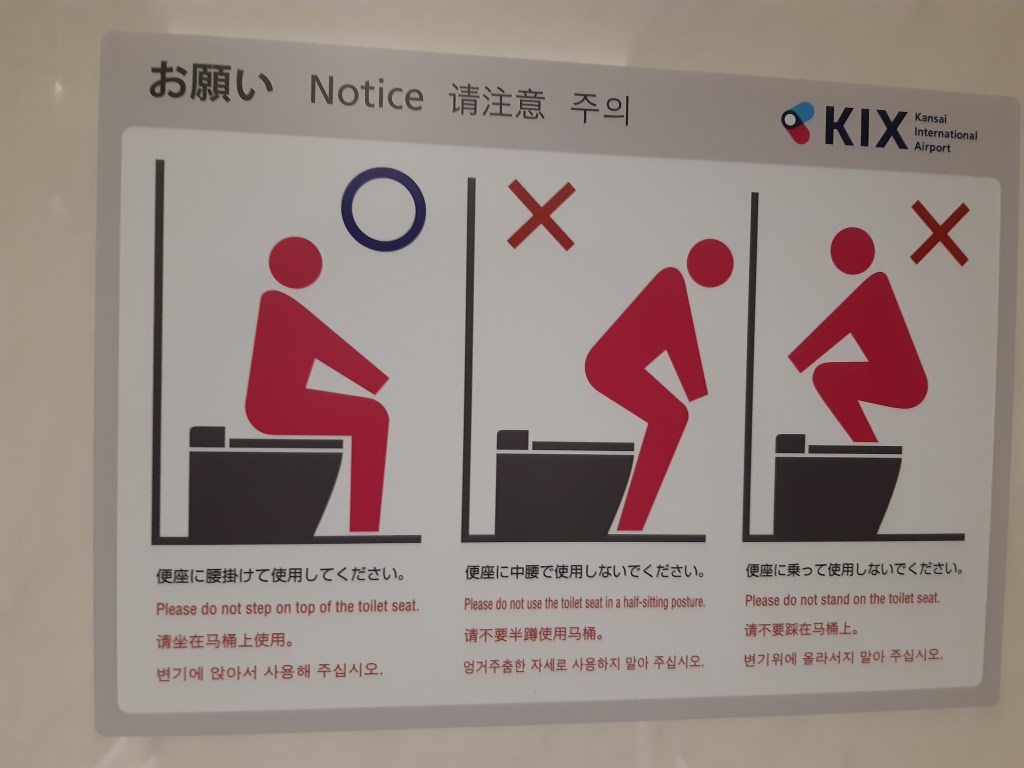
All in all, Japan is absolutely brilliant. Some things are different, even a little strange to a westerner, but it is absolutely possible to navigate it all on your own if you’re brave enough! Of course too, some things you can’t help but have a laugh at.
 The Lone Bon Voyager